Expert HVAC Services for Maximum Home Comfort
Competent HVAC solutions prove critical in upholding home comfort. These equipment require a nuanced appreciation of their components and functions. Routine upkeep can prevent many common problems, while smart upgrades enhance energy economy. Nevertheless, determining the right service provider becomes challenging. Occupants must consider various factors to guarantee exceptional results. What elements should be central to your thinking when seeking professional assistance?
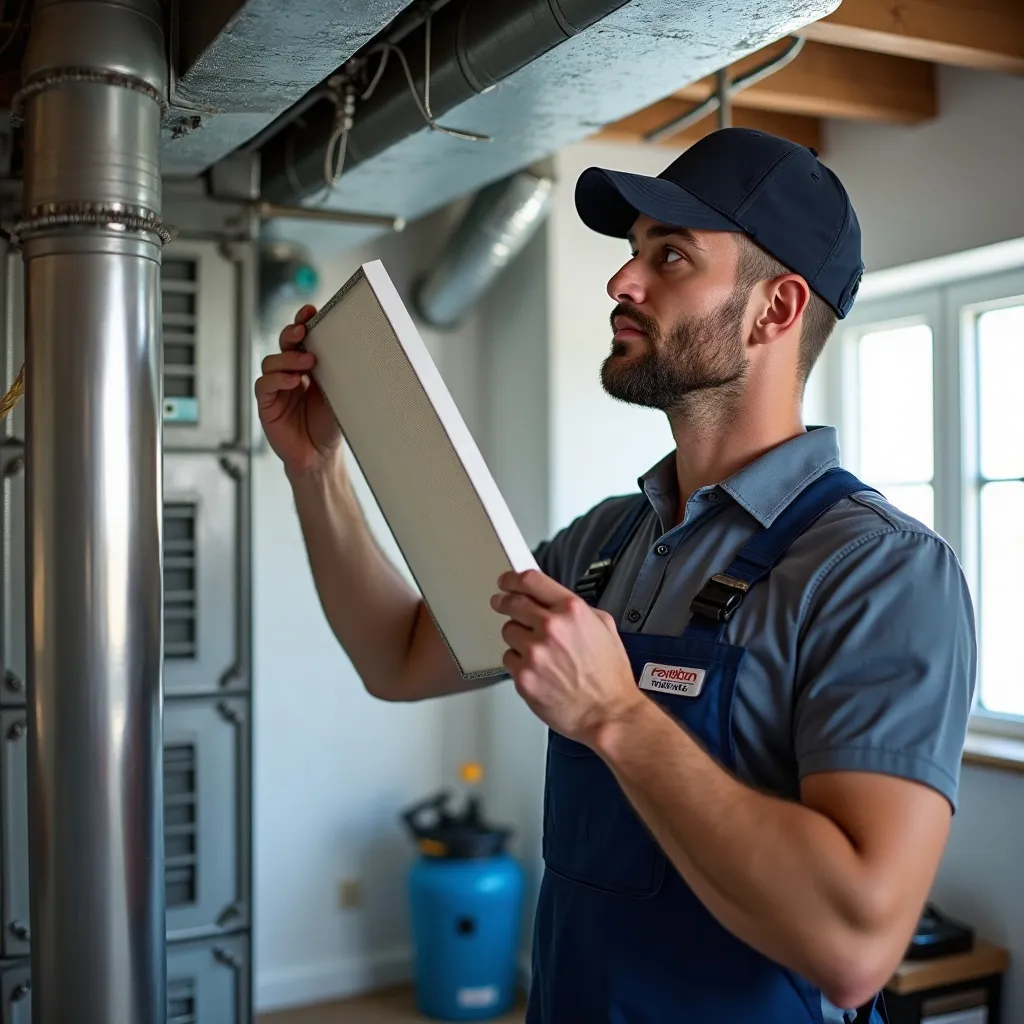
Understanding the Essentials of HVAC Systems
HVAC systems are vital parts of modern home comfort, including heating, ventilation, and air conditioning functionalities. These systems work collaboratively to preserve a consistent interior setting, ensuring optimal climate conditions and air quality throughout the year. The heating aspect is typically provided by furnaces or heat pumps, which produce heat during colder months. Air conditioning units, on the other hand, reduce interior temperatures when temperatures rise.
Ventilation constitutes a vital role in upholding air standards by facilitating the exchange of indoor and outdoor air. This process effectively removes pollutants and excess humidity, contributing to a healthier living environment. HVAC systems are built to serve the specific needs of a home, taking into account factors such as size, insulation, and climate. Understanding these fundamentals enables homeowners to make informed decisions about their comfort needs, ensuring effective performance and energy usage throughout their living spaces.
Why Periodic HVAC Maintenance Should Not Be Ignored
Routine HVAC maintenance is fundamental for advancing system performance and sustaining home comfort. It substantially supports superior energy efficiency, extends the lifespan of devices, and strengthens indoor air quality. By putting routine care a priority, homeowners can gain both cost reductions and a healthier living atmosphere.
Enhanced Energy Efficiency
Achieving optimal energy performance in a home depends greatly on the consistent maintenance of HVAC units. Overlooking routine maintenance can lead to reduced performance and increased energy consumption. Expert evaluations often identify problems such as clogged air filters, obstructed vents, or worn-out components, which can significantly reduce performance. For instance, a well-maintained HVAC system functions at maximum efficiency, ensuring that the energy consumed converts to comfort. Additionally, regular maintenance helps in calibrating the system to match seasonal requirements, further enhancing energy consumption. Homeowners who invest in regular system maintenance not only experience lower utility bills but also contribute to a minimized environmental footprint. As a result, improved energy efficiency is a direct benefit of careful system upkeep.
Prolonged Equipment Life
consistent care can result in major long-term financial benefits, guaranteeing that units operate reliably for years to come.
Better In-home Air Quality
Investing in consistent system maintenance not only lengthens equipment lifespan but also significantly improves indoor air quality. Regular services, such as changing filters and cleaning ducts, eliminate dust, allergens, and pollutants that build up gradually. This preventive strategy guarantees that the air circulating within a home remains clean and safe for occupants. Furthermore, properly serviced equipment operate more efficiently, decreasing the presence of harmful airborne particles. Additionally, HVAC professionals can identify potential issues before they exacerbate, further protecting indoor environments. Improved air quality not only contributes to superior wellness results but also enhances overall comfort. Consequently, routine maintenance is a crucial strategy for homeowners striving to create a healthier, more enjoyable living atmosphere.
Common HVAC Problems and Their Solutions
Homeowners with HVAC systems often contend with inconsistent temperature issues, excessive cycling, and inadequate air quality, representing common challenges. These troubles can trigger irritation and rising utility expenses if not tackled immediately. Understanding the underlying causes and proven fixes is necessary for sustaining a relaxing domestic space.
Erratic Temperature Issues Throughout Your System
Many homeowners encounter temperature variations that disrupt their comfort, often caused by common HVAC issues. One primary reason is inadequate insulation, which allows conditioned air to leak and unconditioned air to infiltrate, causing inconsistent temperatures. Furthermore, obstructed vents and ductwork can impede airflow, resulting in certain rooms being cooler or hotter than others. Thermostat placement also plays a critical role; if a thermostat is placed in an area that does not represent the overall temperature, it may incorrectly gauge and produce inconsistent cooling or warming. Regular upkeep, such as cleaning filters and ensuring ducts are free of obstructions, can assist in minimize these issues. By tackling these factors, homeowners can achieve a more stable and pleasant indoor environment.
Frequent System Cycling
Frequent system on-and-off cycling can greatly interfere with home comfort and lead to increased energy bills. This problem occurs when an HVAC system turns on and off repeatedly within a short period. Such cycling can result from various causes, including improper thermostat settings, dirty air filters, or an oversized system. When the system operates inefficiently, it not only impairs temperature regulation but also places additional strain on components, potentially leading to premature wear and costly repairs. To address frequent cycling, homeowners should verify proper thermostat calibration, regularly replace air filters, and consult professionals for system sizing assessments. Timely intervention can enhance efficiency, reduce energy costs, and ultimately improve overall home comfort.
Low Air Quality
Poor air quality can significantly impact home comfort, often aggravating issues caused by frequent system cycling. Common sources of poor air quality include dust, allergens, and volatile organic compounds (VOCs), which can infiltrate living spaces through ineffective filtration. HVAC systems, if not adequately maintained, might fail to filter these contaminants effectively, resulting in respiratory issues and discomfort.
To overcome this, frequent filter maintenance is required, as clean filters markedly enhance indoor air quality. Additionally, selecting air purification systems and maintaining proper ventilation can further improve the environment. Homeowners should also assess humidity control, as excessive moisture can enable mold growth, further worsening air quality. By resolving these concerns, ideal comfort and health can be more easily achieved.
Intelligent Methods to Enhance Your HVAC for Lower Energy Usage
Improving an HVAC system for energy efficiency can greatly enhance home comfort while cutting down utility costs. One smart method is to install a programmable thermostat, which allows temperature adjustments according to occupancy patterns. This ensures energy isn’t wasted when the house is empty. Another effective improvement is sealing ductwork to prevent air leaks, which may substantially boost system efficiency. Also, using high-efficiency filters can raise indoor air quality while helping the system operate more efficiently. Routine maintenance, including coil cleaning and refrigerant level checks, supports ongoing performance and efficiency. Lastly, using variable-speed motors in HVAC units can fine-tune energy consumption by modulating airflow based on demand. These upgrades both encourage energy savings and enhance comfort, highlighting the value of investing in energy-efficient HVAC systems.
Essential Improvements in HVAC Industry
Recent advancements in HVAC technology have reshaped how homeowners attain comfort and efficiency. Innovative systems now integrate smart thermostats that recognize user preferences, automatically modifying settings for ideal energy use. Variable-speed motors have also appeared, allowing for exact airflow control and minimizing energy consumption while improving comfort levels.
Furthermore, thermal pump systems has undergone substantial advancements, delivering effective temperature regulation choices even in extreme weather conditions. Integrated air quality systems are increasing in popularity, using sophisticated filtering methods to reduce allergens and pollutants, thereby promoting healthier indoor environments.
In addition, the growth of renewable energy sources, such as solar-powered HVAC systems, indicates a robust resolve to sustainability. These technological advances not only support diminished utility bills but also lessen environmental impact. As technology continues to advance, homeowners can foresee even exceptional performance and contentment from their HVAC systems, ensuring a more sustainable and pleasant living environment.
Finding the Correct HVAC Service Provider: Vital Factors to Consider
In what ways can homeowners ensure they select the correct HVAC contractor? Multiple vital factors can direct this decision. First, confirming qualifications and licenses is essential; providers should possess the required credentials and coverage to guarantee quality and safety. Next, assessing experience and knowledge in home HVAC systems can demonstrate the contractor's dependability. Homeowners should obtain referrals and review online ratings to assess client contentment. Additionally, acquiring several quotes can offer understanding into industry rates and service options, enabling for educated evaluations.
Furthermore, recognizing the provider's upkeep arrangements and emergency service options is vital for extended ease. Homeowners should question warranties on both equipment and services, ensuring peace of mind. Finally, responsive communication and timeliness during initial interactions can indicate the provider's comprehensive support strategy. By assessing these considerations, homeowners can securely pick a dependable HVAC comprehensive resource service provider that addresses their unique requirements.
Often Raised Inquiries
How Routine Should My HVAC Air Filter Changes Be?
HVAC air screens should typically be changed every 1 to 3 months, depending on usage, filter type, and household conditions. Regular maintenance helps ensure peak air quality and system efficiency throughout the year.
What Size of HVAC System Should I Select for My Home?
Figuring out the correct dimensions of an HVAC system necessitates calculating the home's square footage, insulation level, and climate. Ordinarily, a expert inspection guarantees optimal efficiency and comfort by choosing the right capacity for the space.
Can I manage to set up an HVAC unit independently?
While some property owners may attempt DIY HVAC installations, it's typically not recommended due to complexities involved. Professional installation guarantees protection, efficiency, and compliance with local codes, ultimately providing better enduring performance and contentment.
How Can I Identify the Signs My HVAC System Is Not Working?
Symptoms of a broken HVAC system feature unusual noises, inconsistent temperatures, rising energy costs, frequent cycling, poor airflow, and odd smells. Resolving these problems without delay can prevent further damage and maintain home comfort.
What Ways Can I Boost Indoor Air Quality Using HVAC?
Boosting indoor air quality with HVAC demands scheduled upkeep, frequently swapping out filters, deploying air purifiers, preserving adequate ventilation, and maintaining humidity balance. These steps work to reduce pollutants and optimize overall air quality in the home.